Why USB needs to grow up for field use
Standard USB plugs are brilliant on the bench, but less so in the field — especially when vibration, dust, moisture and repeated mate/de‑mate cycles enter the chat. That’s where LEMO’s push‑pull USB portfolio comes in: the company has extended its long‑running USB 2.0 options with USB 3.1 inserts rated up to 10 Gb/s inside rugged circular shells (B, K and T series), so you can keep the protocol but harden the interconnect.
USB 3.1 in a LEMO shell: what’s actually inside?
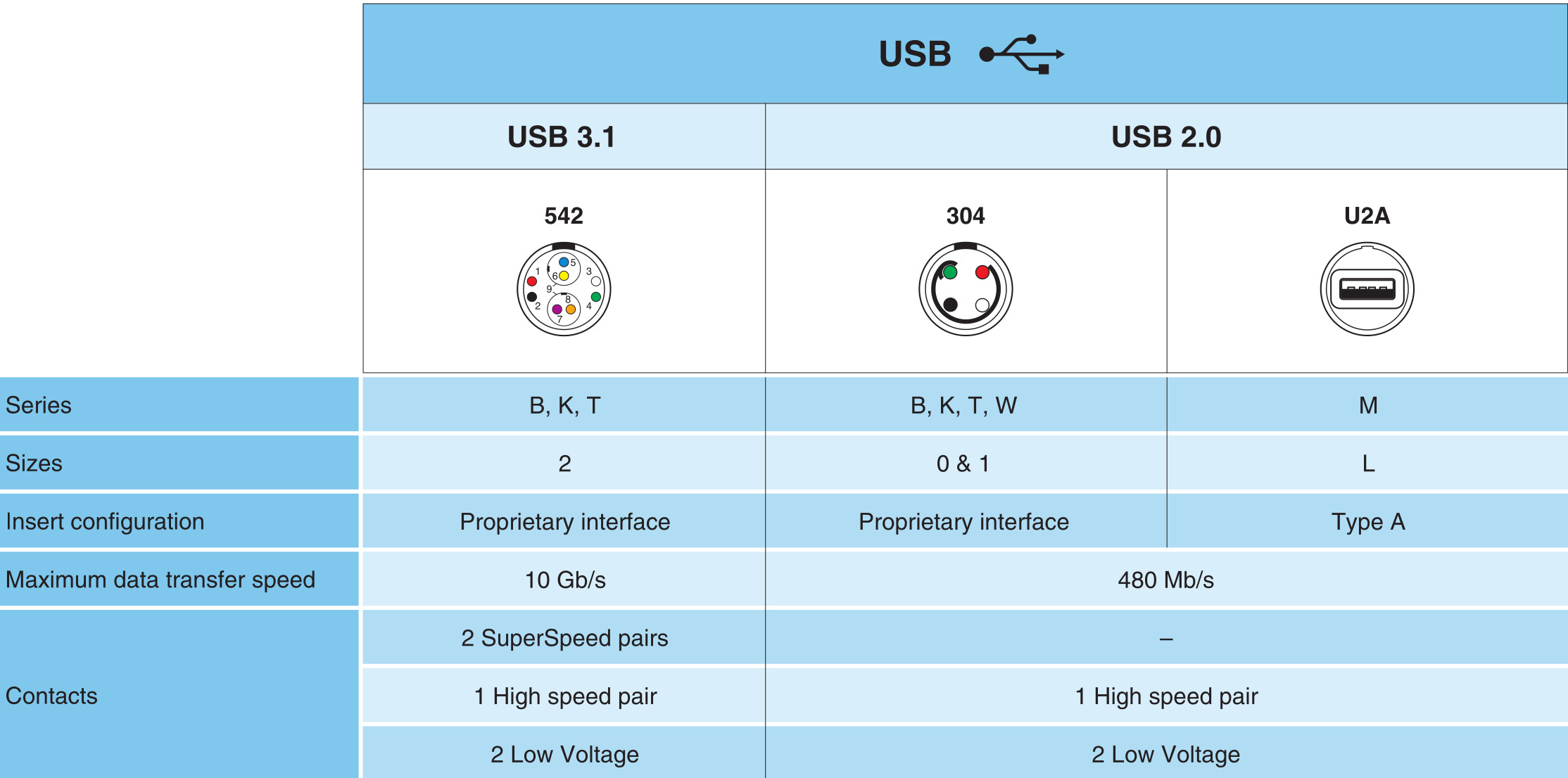
LEMO’s USB 3.1 insert packs two shielded SuperSpeed pairs, the legacy D+/D– pair for backwards compatibility with USB 2.0, and low‑voltage power pins — all in a compact insert designed for signal integrity at 10 Gb/s. The SuperSpeed pairs are fully shielded and flanked by dedicated drain wires to control return paths and minimise crosstalk.
- Max data rate: up to 10 Gb/s (USB 3.1 protocol) in rugged B (IP50), K (IP66–IP68) and T (IP66–IP68) series shells.
- Backwards compatibility: integrated USB 2.0 pair means USB 2.0 devices continue to work through the same LEMO interconnect.
- Mechanical life: LEMO push‑pull connectors are designed for high mating cycles and secure retention under vibration and pull — the push‑pull latch won’t let go unless you pull the sleeve.
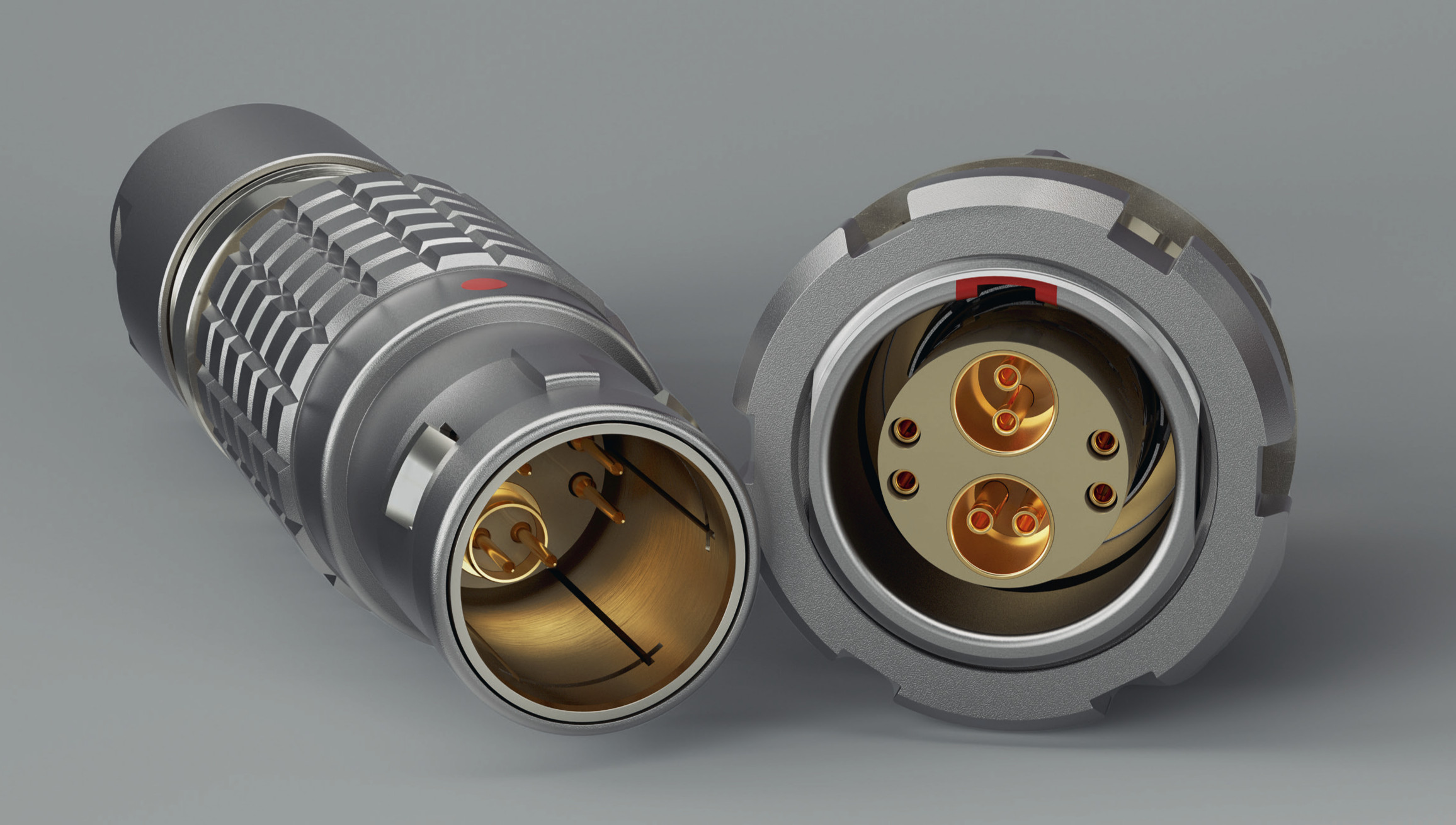
Picking the right series: B vs K vs T
B Series (indoor, IP50): suited to protected racks and lab equipment where you still want frequent, positive latching.
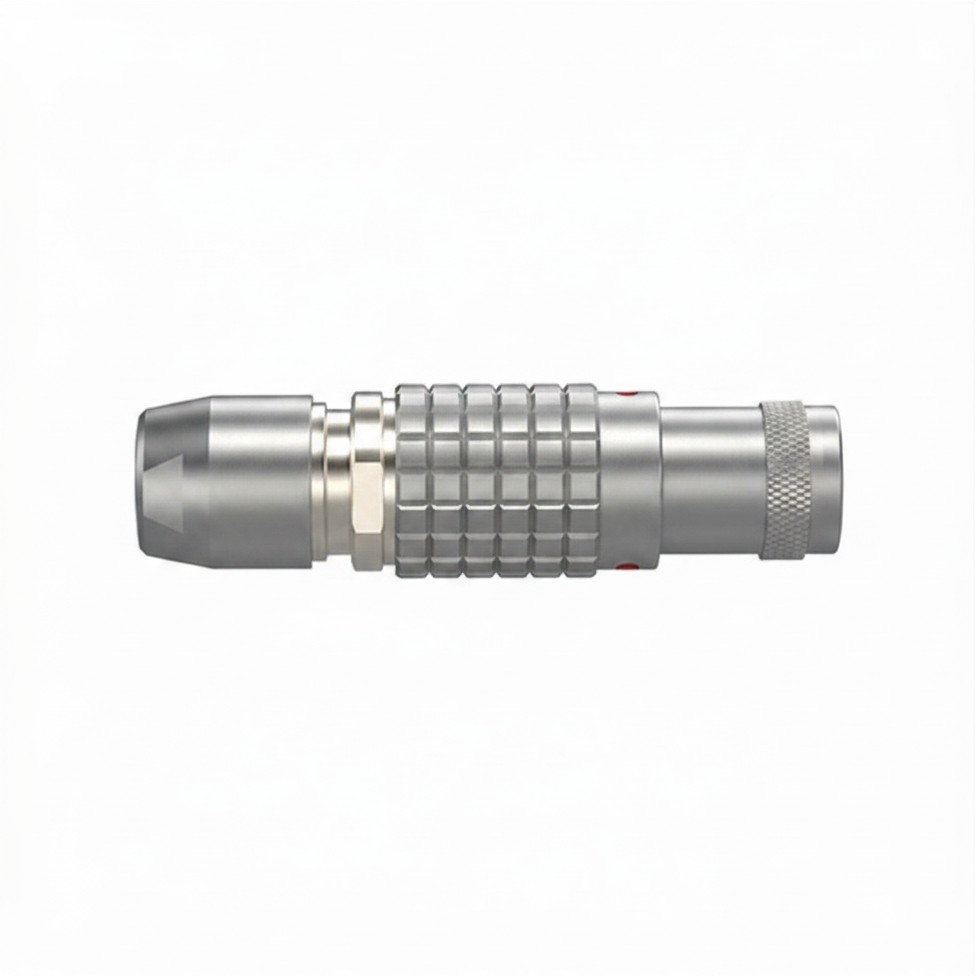
K Series (outdoor, IP66–IP68): adds sealing and shielding for harsh environments. (K sits alongside B in LEMO’s “Originals” family.)
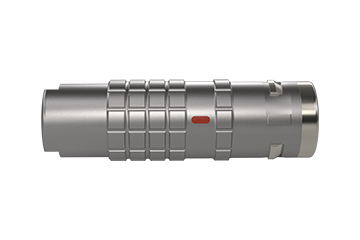
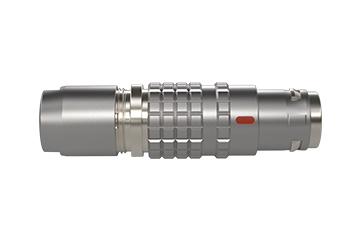
T Series (compact outdoor, IP68 mated): smaller outer diameter, IP68 when mated, and backward‑compatible panel cut‑out with B‑series sockets to simplify upgrades.
Why not just use a standard Type‑A/C?
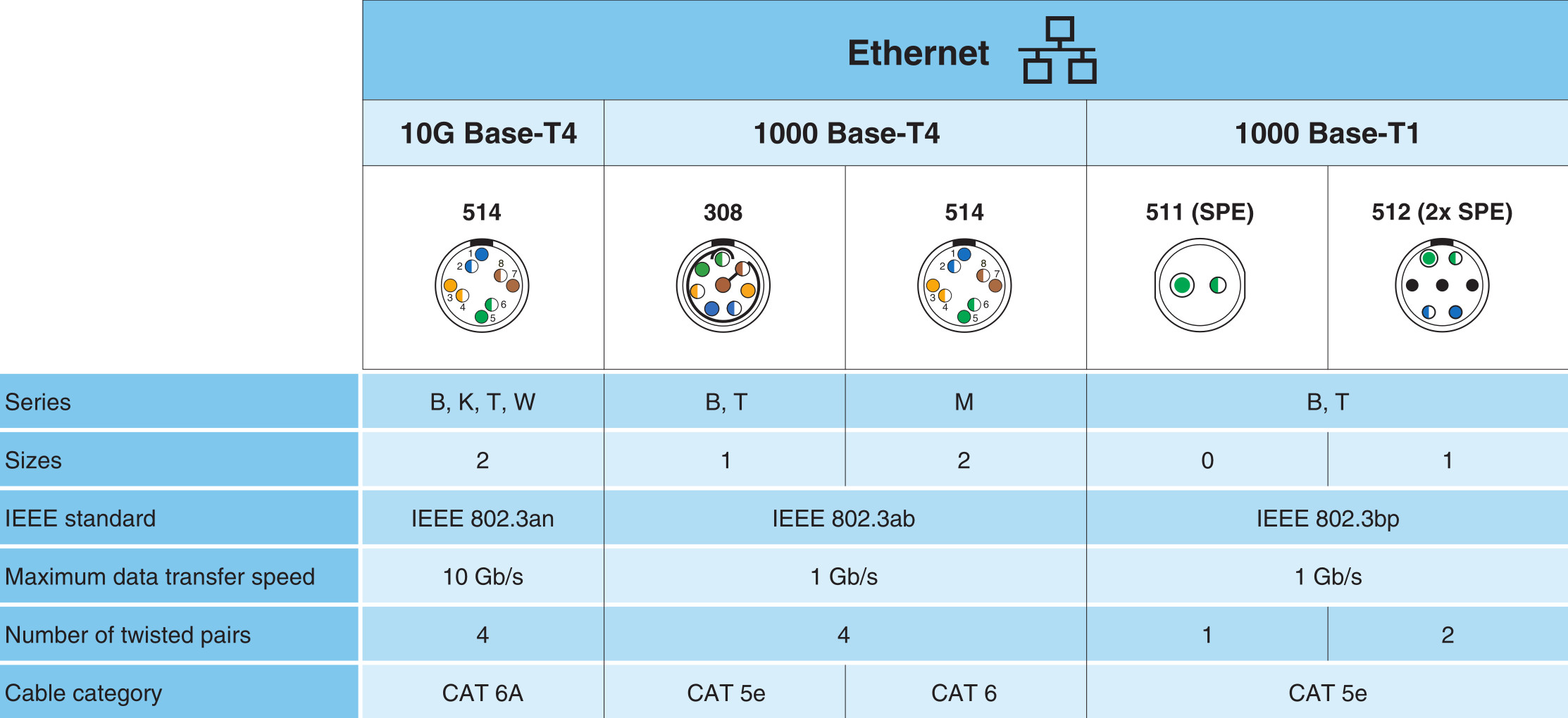
For demanding applications (broadcast carts, robotics, test & measurement in the field), standard USB connectors often struggle with retention and ingress protection. LEMO’s approach combines protocol‑compliant pinouts with 360° EMC screening and environmental sealing in a proven push‑pull form factor. That improves mean‑time‑between‑failure simply by removing the most common mechanical and contamination failure points.
Typical use cases we see in Australia
Across Australian broadcast, defence, industrial and research environments, ruggedised USB connectors prove their worth every day. A common example is field data recorders and portable logging systems, where crews routinely offload large media or sensor datasets at 10 Gb/s. In these situations, a standard USB plug can loosen with the slightest vibration or cable tug, risking corrupt transfers. A LEMO push‑pull USB 3.1 connector, by contrast, stays positively latched until intentionally released, ensuring uninterrupted high‑speed dumps even in unpredictable outdoor conditions.
We also see strong uptake in industrial robotics, mining automation and defence platforms, where equipment must survive wide temperature swings, shock, and continuous vibration. In these environments, a high‑speed interconnect isn’t just about bandwidth — it’s about stable, noise‑free signalling in applications where a momentary dropout can halt a robot, trigger a fault state, or interrupt mission‑critical data acquisition. The combination of shielding, mechanical retention and environmental sealing makes the LEMO approach far more reliable than conventional USB connectors.
In the media world, rugged USB connectors increasingly appear in camera accessories, media ingest carts and on‑set data workflows. Modern productions move rapidly between studio floors, location shoots and OB trucks, often in rain, heat, dust or high humidity. Gear gets repatched dozens of times a day, and cables snag, get trampled, or are pulled at awkward angles. A sealed, push‑pull USB connection prevents accidental disconnects and protects the transfer path, keeping turnaround times short and ensuring no clips are lost as media moves from camera systems to DIT stations or mobile edit suites.
In short: wherever Australian crews need fast transfers, high reliability and connectors that simply refuse to come loose, LEMO‑style USB 3.1 solutions have become the smarter long‑term choice.